



Water Damage and Restoration in Solana Beach: What the Process Really Looks Like
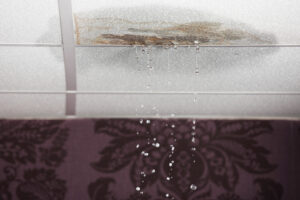
Water damage has a way of happening at the worst possible times — a pipe bursts overnight, an appliance fails while you’re at work, or a plumbing leak that went undetected for weeks finally makes itself known in a dramatic way. For Solana Beach homeowners, the combination of coastal humidity and the region’s aging housing stock creates conditions where water damage risks are ever-present. When water damage does occur, understanding what professional restoration actually involves — and why acting quickly is so critical — can make an enormous difference in the outcome for your home and your family.
Why Speed Is the Most Important Factor
The single most important thing to understand about water damage is that time works against you from the moment the water appears. Within the first hour, water begins soaking into flooring, walls, and furniture. Within twenty-four hours, structural materials start to swell and warp. Within forty-eight hours, mold can begin developing in areas of persistent moisture — and once mold takes hold, what started as a water damage situation becomes a significantly more complex and expensive remediation project.
The instinct to wait — to see if things dry out on their own, to assess the situation before calling for help, or to attempt cleanup independently — almost always results in greater damage and higher restoration costs than calling a professional immediately would have. Fast professional response is not an overreaction to water damage. It is the most cost-effective decision you can make.
What Professional Water Damage Restoration Actually Involves
Many homeowners have a general sense that water damage restoration means drying things out, but the professional process is considerably more thorough and systematic than most people realize. Here is what to expect when you call a qualified restoration team:
- Initial assessment: Restoration professionals begin by thoroughly assessing the extent of the damage using moisture detection equipment that identifies water in places that aren’t visible to the naked eye — inside walls, beneath flooring, and in subfloor materials. This step is critical because restoration that addresses only visible moisture leaves hidden damage behind that will continue causing problems long after the visible areas appear dry.
- Water extraction: Industrial-grade pumps and wet vacuums remove standing water from affected areas as quickly as possible. The faster standing water is removed, the less time it has to penetrate deeper into structural materials.
- Drying and dehumidification: Once standing water has been extracted, high-powered air movers and commercial dehumidifiers are deployed to draw remaining moisture out of structural materials and the surrounding air. This process takes time and requires careful monitoring — drying that appears complete on the surface may still leave moisture trapped in wall cavities or subfloor materials.
- Salvage assessment: Restoration professionals evaluate affected belongings, furniture, flooring, and building materials to determine what can be saved and what needs to be removed. The goal is always to salvage as much as possible while being honest about materials that are too compromised to restore effectively.
- Cleaning and sanitization: Depending on the source of the water, affected areas and materials may require thorough cleaning and antimicrobial treatment. Water from sewage-related sources or flooding carries contamination that requires particularly careful handling and sanitization protocols.
- Mold prevention: Throughout the drying and cleanup process, restoration professionals take active steps to prevent mold from developing in areas of residual moisture. This includes ensuring thorough drying, treating at-risk surfaces, and monitoring humidity levels until they return to normal ranges.
- Repairs and restoration: Once the water has been fully addressed, the restoration team can assess what structural repairs are needed — replacing damaged drywall, flooring, insulation, or other materials — to return the home to its pre-damage condition.
The Advantage of a Plumbing and Restoration Team in One
One of the complications of water damage caused by a plumbing failure is that two separate problems need to be addressed — the plumbing issue that caused the damage and the damage itself. When those services are handled by separate companies, coordination can be slow and the root cause of the problem may not be fully resolved before restoration work begins. Working with a company that handles both plumbing repairs and water damage restoration eliminates that gap, ensuring the source of the water is identified and fixed as part of the same comprehensive response.
How 1st Choice Plumbing, Flood & Restoration Can Help
At 1st Choice Plumbing, Flood & Restoration, we provide complete water damage restoration and plumbing services for homeowners throughout Solana Beach and San Diego County. From emergency water extraction and drying to mold prevention and structural repairs, our experienced team handles every step of the restoration process with the care and thoroughness your home deserves.
Contact 1st Choice Plumbing, Flood & Restoration today at 866-437-0205 to get help right away — we are available around the clock and offer same day or next day service in almost every case.