


How to Identify and Fix Leaks in Your Plumbing Before They Cause Damage
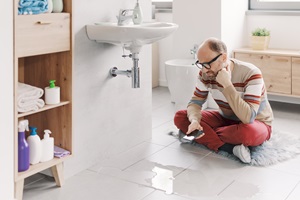
A plumbing leak, whether big or small, can lead to serious damage in your home if left unchecked. From burst pipes to slow drips, leaks can cause water to accumulate behind walls, under floors, or even in your ceiling, leading to mold growth, structural issues, and expensive repairs. Early detection and repair are crucial to preventing the long-term impact of leaks on your home. In this guide, we’ll walk you through how to identify plumbing leaks early and offer solutions to fix them before they cause significant damage to your home and property.
1. Watch for Increased Water Bills
An unexplained increase in your water bill is often the first sign of a hidden plumbing leak. Even small leaks, such as a dripping faucet or a leaking toilet, can waste gallons of water each day, which will quickly show up on your utility bill.
- Tip: Keep an eye on your water bill and compare it to your typical usage. If you notice a significant spike without any changes in your water usage habits, it’s time to check for leaks.
- Pro Tip: Conduct a water meter test by turning off all water-using appliances in your home and checking your water meter. If the reading changes while no water is being used, you likely have a leak somewhere.
2. Check for Water Stains or Dampness
Water stains or damp spots on walls, ceilings, or floors are clear indicators of plumbing leaks. If you notice discolored patches or water pooling in certain areas, it’s important to investigate the source of the water.
- Tip: Inspect areas around your sinks, toilets, and tubs. Check under sinks and behind toilets for signs of leaks. Pay special attention to the areas where pipes are exposed, such as in basements, crawl spaces, and utility rooms.
- Pro Tip: Water stains on your ceiling can indicate a leak in the pipes above, such as from the bathroom or the attic. If the leak isn’t immediately obvious, a professional plumber can help locate the source.
3. Listen for Dripping or Running Water
One of the easiest ways to detect a leak is to listen for dripping or running water sounds. Even if you don’t see visible leaks, hearing water dripping inside walls, ceilings, or under floors may indicate a hidden problem. In some cases, you may even hear water running in the walls when no fixtures are in use.
- Tip: Take a quiet moment to listen carefully in areas where plumbing is hidden, such as behind cabinets or under floors. You might hear the sound of water running through pipes, especially if the leak is active.
- Pro Tip: If the sound of running water persists, even when no water is being used, it could be a sign of a significant leak or a problem with the plumbing system.
4. Check for Mold or Mildew Growth
Mold and mildew thrive in damp, humid environments, making them a common sign of plumbing leaks. If you notice mold or a musty odor around your plumbing fixtures, especially in areas like the bathroom or kitchen, there could be a leak feeding the growth.
- Tip: Check for mold or mildew around water sources like faucets, pipes, and under sinks. If you see dark spots or smell an unpleasant odor, it’s time to investigate further.
- Pro Tip: If you find mold growth, it’s crucial to address the leak immediately to prevent further damage to your plumbing system and to stop the mold from spreading.
5. Examine Your Water Pressure
A decrease in water pressure could be a sign that water is escaping through a leak somewhere in your plumbing system. If you notice that your faucets or showerheads are providing less water than usual, a leak could be diverting water away from your fixtures.
- Tip: If your home’s water pressure seems unusually low, check faucets and appliances for clogs or leaks. For more serious pressure issues, consult a plumber to assess the problem.
- Pro Tip: Low water pressure combined with high water bills and visible signs of water damage often points to a larger leak somewhere in the system, like a broken pipe.
6. Inspect Your Appliances and Fixtures
Leaky appliances like dishwashers, washing machines, or water heaters can also lead to water damage over time. If you notice dampness or puddles around these appliances, they may be the source of the leak.
- Tip: Inspect the hoses and connections on appliances, particularly those connected to water supply lines. If you see any cracks, corrosion, or pooling water, it may be time to replace hoses or seals.
- Pro Tip: If your water heater is leaking, shut it off immediately to prevent further damage. Call a professional plumber to inspect and repair the appliance.
7. Call a Professional Plumber for Leak Detection
While some leaks can be fixed with DIY methods, others are hidden deep within walls, under floors, or underground, making them hard to detect. If you’ve tried the tips above and still can’t locate the leak, it’s time to call in a professional plumber for help.
- Tip: Professional plumbers have advanced leak detection equipment, like acoustic sensors or infrared cameras, that can locate leaks with precision and minimal disruption to your home.
- Pro Tip: Don’t wait until the damage worsens. If you suspect a hidden leak, calling a plumber early can save you money by preventing further damage and costly repairs.
Detect Leaks Early to Prevent Serious Damage
Detecting and fixing plumbing leaks early can save you from costly repairs, water damage, and health risks like mold growth. By being vigilant about signs of leaks, such as changes in water pressure, dampness, or unusual water bills, you can take action before the problem escalates. Regular plumbing inspections and maintenance are key to keeping your plumbing system in good condition and avoiding unexpected issues.
Contact Us for Expert Leak Detection and Repair
If you suspect a leak or need help detecting and repairing hidden plumbing problems, contact 1st Choice Plumbing, Flood & Restoration at 866-437-0205. Our professional plumbers are ready to help you identify and fix leaks quickly to protect your home from damage.