


How to Detect Hidden Leaks in Your Home: Tools and Techniques for Accurate Leak Detection
Hidden leaks can silently wreak havoc on your home, leading to high water bills, mold growth, and structural damage. Detecting these leaks early is essential to prevent costly repairs and maintain the integrity of your home. In this post, we’ll cover the tools, techniques, and tips homeowners can use to identify leaks accurately and efficiently.
1. Look for the Signs of a Hidden Leak
Before diving into tools and techniques, start with a careful inspection of your home. Common signs of hidden leaks include:
- Unexplained increases in your water bill
- Musty odors or mildew in cabinets, bathrooms, or basements
- Damp or discolored walls, ceilings, or floors
- Sounds of running water when no fixtures are in use
- Low water pressure in sinks, showers, or toilets
- Noticing any of these signs should prompt immediate action to locate the leak.
2. Use Water Meter Monitoring
Your home’s water meter is a simple yet effective tool for detecting leaks.
- Step 1: Turn off all faucets and water-using appliances.
- Step 2: Check your water meter and record the reading.
- Step 3: Wait 1–2 hours without using any water, then check the meter again.
If the reading has changed, it’s a strong indicator of a hidden leak somewhere in your system.
3. Employ Modern Leak Detection Tools
Professional plumbers use advanced tools to detect leaks accurately and with minimal disruption. Some of the most effective options include:
- Electronic leak detectors: These devices amplify the sound of water running in pipes to pinpoint leaks behind walls or under floors.
- Thermal imaging cameras: Infrared cameras detect temperature differences caused by water leakage, even if the leak is hidden behind walls or under floors.
- Moisture meters: These tools measure moisture levels in walls, floors, and ceilings to locate damp areas caused by hidden leaks.
- Pressure testing equipment: Used to measure water pressure in plumbing lines, this can help identify leaks in pipes that are not visible.
4. Inspect Common Leak Points
Leaks often occur in specific areas where plumbing is most vulnerable:
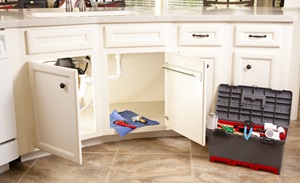
- Under sinks and around faucets
- Behind toilets and water heaters
- At pipe joints and valves
- In basements and crawlspaces
- Around outdoor irrigation systems
Performing a visual inspection in these areas, combined with the tools above, can help locate even the most concealed leaks.
5. Call the Professionals for Accurate Detection
While some leaks can be found with basic tools, many require professional expertise and specialized equipment. 1st Choice Plumbing, Flood & Restoration offers fast, accurate leak detection services. Our technicians use state-of-the-art tools to identify leaks behind walls, under floors, and anywhere in your home. We can then repair the leak and restore any water damage caused, giving you peace of mind.
Don’t Let Hidden Leaks Damage Your Home
Early detection of hidden leaks is key to avoiding water damage, mold, and costly repairs. By monitoring your water usage, inspecting potential problem areas, and leveraging modern leak detection tools, you can protect your home and save money in the long run.
If you suspect a hidden leak, don’t wait. Call 1st Choice Plumbing, Flood & Restoration at 866-437-0205. Our leak detection experts will quickly find and fix any hidden leaks, keeping your home safe and efficient.