


How Plumbing Failures Trigger Mold Growth Faster Than Most Homeowners Expect
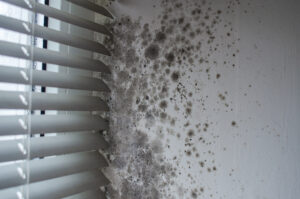
Mold problems rarely start with mold itself. In most homes, mold growth is the result of an underlying moisture issue—often caused by a plumbing failure that went unnoticed or unresolved. What many homeowners do not realize is how quickly mold can begin to develop once water is introduced into hidden areas of the home.
Understanding the connection between plumbing problems and mold growth can help homeowners act faster and prevent more serious damage.
How Quickly Mold Can Begin to Grow
Mold does not require standing water to thrive. Once moisture is present, mold spores—which already exist naturally in indoor air—can begin to grow within 24 to 48 hours. Plumbing failures such as slow leaks, loose fittings, or cracked pipes provide a steady moisture source that allows mold colonies to establish quickly.
Because these leaks often occur behind walls, under floors, or in ceilings, mold growth may begin long before any visible signs appear.
Plumbing Problems That Commonly Lead to Mold
Certain plumbing issues are especially likely to trigger mold growth due to prolonged moisture exposure. These include:
- Slow pipe leaks behind walls
- Under-sink leaks inside cabinets
- Toilet seal failures
- Water heater leaks
- Drain line leaks or backups
Even small amounts of ongoing moisture can saturate surrounding materials, creating ideal conditions for mold to spread.
Why Mold Growth Often Goes Undetected
One of the most dangerous aspects of mold caused by plumbing failures is how quietly it develops. Homeowners may not notice anything unusual until odors become noticeable or visible mold appears on surfaces.
By the time mold becomes visible, it has often already spread into drywall, insulation, or structural components. This is why addressing plumbing issues promptly is so critical—even when the problem seems minor.
The Health and Structural Risks of Mold
Mold growth is not just a cosmetic issue. It can affect indoor air quality and trigger respiratory symptoms, allergies, and other health concerns. Prolonged exposure can be especially problematic for children, seniors, and individuals with compromised immune systems.
Structurally, mold breaks down organic materials over time. Wood framing, drywall, and insulation can all be compromised if mold is allowed to persist, leading to costly repairs.
Why Fixing the Plumbing Is Only Part of the Solution
Stopping the plumbing leak is essential, but it does not automatically eliminate the mold problem. Moisture trapped in building materials can continue to support mold growth even after the water source is removed.
Proper mold mitigation involves identifying all affected areas, removing contaminated materials when necessary, and thoroughly drying and cleaning the space. Without this step, mold is likely to return.
1st Choice Plumbing, Flood & Restoration provides both plumbing repair and mold damage services, ensuring that the source of moisture and its consequences are fully addressed.
How Fast Action Limits Mold Damage
The sooner plumbing failures are identified and corrected, the less opportunity mold has to spread. Fast response reduces the scope of remediation and helps preserve more of the home’s original materials.
Emergency response services are especially important when leaks occur outside normal business hours. Immediate action can prevent a small leak from turning into a major mold problem.
Protecting Your Home from Mold Caused by Plumbing Issues
Routine inspections, attention to water bills, and responding quickly to unusual odors or stains can help catch plumbing issues early. When problems do occur, working with a company that understands both plumbing and mold mitigation ensures nothing is missed.
If you suspect a plumbing issue may be causing mold growth in your home, contact 1st Choice Plumbing, Flood & Restoration at 866-437-0205 for fast, professional assistance. Early intervention can protect your home, your health, and your peace of mind.