


How Mold Remediation and Plumbing Repairs Work Together to Fully Restore Your Property
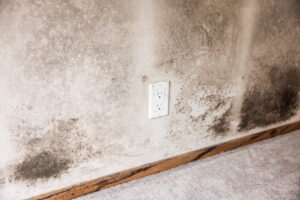
When mold appears inside a home, many people focus on the visible growth—scrubbing surfaces or applying cleaning solutions to remove stains. But mold rarely develops without an underlying moisture source. In many cases, that source is a plumbing leak, hidden pipe failure, or ongoing drainage issue.
At 1st Choice Plumbing, Flood & Restoration, we understand that lasting restoration requires more than surface-level cleanup. Effective mold remediation and professional plumbing repair must work together to fully resolve the problem.
Why Mold Develops After Plumbing Issues
Mold thrives in damp, dark environments. Even a slow drip behind a wall can create the ideal conditions for spores to grow. Common plumbing-related causes of mold include:
- Leaking supply lines
- Pipe joint failures
- Slab leaks
- Overflowing fixtures
- Improperly sealed bathroom plumbing
When moisture lingers in drywall, insulation, cabinetry, or subflooring, mold can begin forming in as little as 24 to 48 hours.
If the plumbing issue is not corrected, mold remediation efforts may only provide temporary results.
The Problem with Treating Mold Alone
Cleaning visible mold without addressing the water source is rarely effective. Even if affected materials are removed and sanitized, continued moisture can allow new growth to return.
Signs that mold remediation was incomplete often include:
- Persistent musty odors
- Mold returning in the same area
- Discoloration spreading to adjacent surfaces
- Ongoing moisture problems
True remediation requires eliminating both the contamination and the conditions that caused it.
Step One: Identifying and Repairing the Plumbing Source
Before mold cleanup begins, the underlying plumbing issue must be identified and corrected. This may involve:
- Leak detection services
- Pipe repair or replacement
- Resealing fixtures or drains
- Addressing drainage system failures
By resolving the source of the moisture, further damage can be prevented and restoration efforts can proceed safely.
At 1st Choice Plumbing, Flood & Restoration, our plumbing professionals and restoration specialists coordinate to ensure that repairs and remediation are handled as part of one comprehensive solution.
Step Two: Professional Mold Mitigation
Once the moisture source has been eliminated, mold mitigation can begin. Proper remediation typically includes:
- Containment of affected areas
- Removal of contaminated materials when necessary
- Cleaning and sanitizing impacted surfaces
- Drying and dehumidification
- Post-remediation inspection
This structured approach helps ensure that mold spores are addressed safely and thoroughly.
Protecting Your Home’s Structure and Indoor Air Quality
Unresolved mold and moisture can impact more than just surfaces. Prolonged exposure to damp conditions may weaken drywall, framing, and flooring. In addition, airborne spores can affect indoor air quality.
By addressing plumbing and mold concerns together, homeowners reduce the risk of long-term structural deterioration and recurring contamination.
A Coordinated Approach Makes the Difference
When plumbing repairs and mold remediation are handled separately, important details can be missed. A coordinated approach ensures that the source is fixed, moisture levels are stabilized, and affected materials are properly restored.
If you have noticed signs of mold or suspect a hidden plumbing leak, contact 1st Choice Plumbing, Flood & Restoration at 866-437-0205. Our experienced team provides reliable plumbing, mold mitigation, and restoration services designed to fully restore your property and help prevent future problems.