




News
Is Your Home’s Water Supply at Risk? What Rancho Santa Fe Homeowners Should Know About Backflow Testing
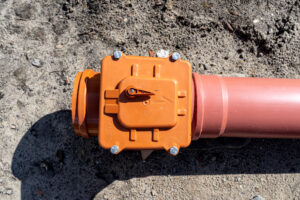
Most homeowners in Rancho Santa Fe spend a lot of time thinking about the water that flows into their homes — where it comes from, whether it tastes right, and whether the pressure is where it should be. But far fewer think about what happens when water flows in the wrong direction. That’s where backflow becomes a serious concern, and it’s one that every property owner in the area should understand.
What Is Backflow and Why Does It Matter?
Your home’s plumbing is designed to move water in one direction: from the municipal supply into your home and then out through the drain system. Backflow is what happens when that flow…
How to Spot a Hidden Water Leak in Your Carlsbad Home Before It Becomes a Costly Problem
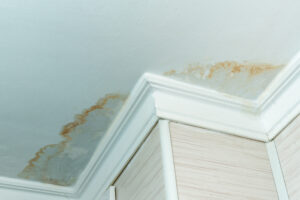
Not all plumbing leaks announce themselves with a burst pipe or a puddle on the floor. In fact, some of the most damaging leaks in a home are the ones you never see coming — quietly working behind walls, under slabs, or beneath flooring for weeks or months before any visible sign appears. For homeowners in Carlsbad, where coastal conditions and a mix of older and newer housing stock both play a role in plumbing wear, knowing how to recognize the early warning signs of a hidden leak can save thousands of dollars in damage and repairs.
Why Hidden Leaks Are So Destructive
The reason hidden leaks cause such significant damage…
How Tree Roots Threaten Your Plumbing System in Vista
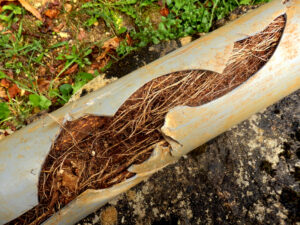
Vista is known for its mature trees, attractive landscaping, and well-established neighborhoods — all of which contribute to the area’s character and curb appeal. But those same mature trees that make Vista properties so attractive can pose a serious and often hidden threat to the plumbing systems beneath them.
Tree root intrusion is one of the leading causes of sewer line damage and plumbing problems in residential properties throughout San Diego County, and Vista homeowners with large or established trees on their property are particularly vulnerable. Understanding how root intrusion happens, how to recognize the warning signs, and what to do about it can save you from a plumbing emergency that…
Trenchless Sewer Line Repair in San Marcos: A Smarter Solution for Your Property
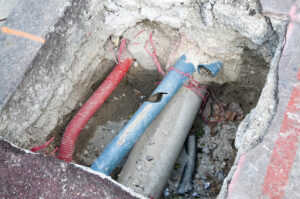
When homeowners in San Marcos hear that their sewer line needs repair, the immediate reaction is often dread — and understandably so. The traditional image of sewer line repair involves heavy excavation equipment tearing up yards, driveways, and landscaping to access buried pipes. It’s disruptive, time-consuming, and expensive. What many homeowners don’t realize is that there’s a better option available for many sewer line situations — one that addresses the problem effectively without turning your property into a construction zone.
What Is Trenchless Sewer Line Repair?
Trenchless sewer line repair is a method of fixing damaged or deteriorating sewer pipes with minimal excavation. Rather than digging a long trench along the…
Water Damage and Restoration in Solana Beach: What the Process Really Looks Like
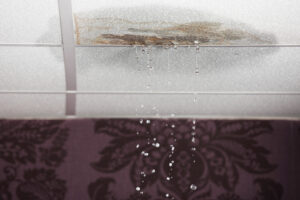
Water damage has a way of happening at the worst possible times — a pipe bursts overnight, an appliance fails while you’re at work, or a plumbing leak that went undetected for weeks finally makes itself known in a dramatic way. For Solana Beach homeowners, the combination of coastal humidity and the region’s aging housing stock creates conditions where water damage risks are ever-present. When water damage does occur, understanding what professional restoration actually involves — and why acting quickly is so critical — can make an enormous difference in the outcome for your home and your family.
Why Speed Is the Most Important Factor
The single most important thing to…
Water Heater Problems in Escondido Homes: When to Repair and When to Replace
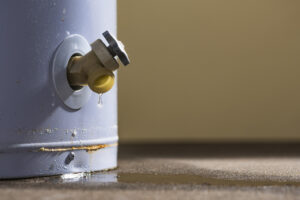
Your water heater is one of those appliances that quietly does its job day after day without demanding much attention — until something goes wrong. For Escondido homeowners, a malfunctioning water heater isn’t just an inconvenience. It can mean cold showers, skyrocketing energy bills, and in serious cases, water damage that affects your home’s structure and air quality. Knowing how to recognize the early signs of water heater trouble — and understanding when repair is the right call versus when replacement makes more sense — can save you significant time, money, and stress.
Common Signs Your Water Heater Is Struggling
Water heaters rarely fail without warning. Most problems develop gradually…
When a Simple Drain Cleaning Isn’t Enough: Signs of a Deeper Sewer Line Issue
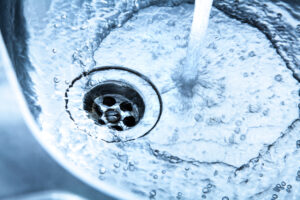
A slow drain is one of the most common plumbing complaints homeowners experience. In many cases, a routine drain cleaning solves the problem quickly. But when clogs keep coming back or multiple drains start acting up at once, the issue may go beyond a simple blockage.
At , we help homeowners identify when a drain issue is minor—and when it signals a deeper sewer line concern that requires professional attention.
The Difference Between a Basic Clog and a Sewer Line Problem
Most everyday clogs occur in individual fixtures. For example:
- Hair and soap buildup in bathroom drains
- Grease accumulation in kitchen sinks
- Paper products clogging a toilet
These localized clogs are usually confined…
What Causes Slab Leaks and Why Early Detection Matters for Your Home
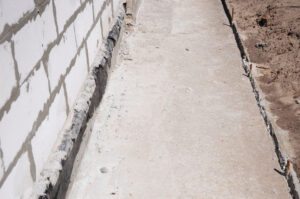
A slab leak is one of the more serious plumbing problems a homeowner can face. Because the leak occurs beneath the concrete foundation of your home, it often goes unnoticed until damage has already spread. Understanding what causes slab leaks—and why early detection is so important—can help you avoid costly structural repairs and long-term water damage.
At , we help homeowners identify plumbing problems early and provide reliable repair and restoration solutions before the situation escalates.
What Is a Slab Leak?
A slab leak occurs when a water line running beneath your home’s concrete foundation develops a break, crack, or pinhole leak. Many homes have plumbing pipes embedded in or running under…
The Hidden Dangers of DIY Water Damage Cleanup After a Plumbing Failure

When a pipe bursts or an appliance line fails, your first instinct may be to grab towels, set up fans, and handle the cleanup yourself. While acting quickly is important, water damage is often more complicated than it appears on the surface. What looks dry to the eye may still contain hidden moisture that leads to long-term structural issues and mold growth.
At , we frequently assist homeowners who attempted do-it-yourself water cleanup, only to discover the damage was more extensive than expected.
Why Surface Drying Isn’t Enough
After a plumbing failure, visible water can often be removed fairly quickly. However, water does not remain confined to floors. It can travel into:
-
…
How Mold Remediation and Plumbing Repairs Work Together to Fully Restore Your Property
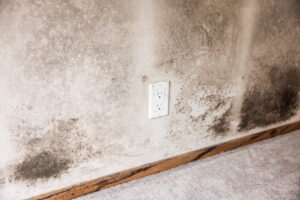
When mold appears inside a home, many people focus on the visible growth—scrubbing surfaces or applying cleaning solutions to remove stains. But mold rarely develops without an underlying moisture source. In many cases, that source is a plumbing leak, hidden pipe failure, or ongoing drainage issue.
At , we understand that lasting restoration requires more than surface-level cleanup. Effective mold remediation and professional plumbing repair must work together to fully resolve the problem.
Why Mold Develops After Plumbing Issues
Mold thrives in damp, dark environments. Even a slow drip behind a wall can create the ideal conditions for spores to grow. Common plumbing-related causes of mold include:
- Leaking supply lines
- Pipe joint…