


Summer Plumbing Checklist: Prepare Your Home for the Hot Months Ahead
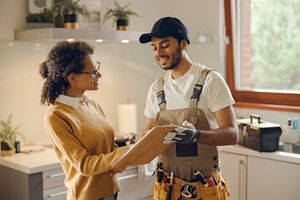
Summer is here, and with it comes the heat, increased water usage, and a variety of plumbing challenges. Whether you’re spending more time outdoors, watering your lawn, or hosting family gatherings, the summer months put extra strain on your plumbing system. To ensure everything runs smoothly, it’s essential to take a few proactive steps to prepare your home’s plumbing for the warm months ahead. In this blog post, we’ll walk you through a summer plumbing checklist that will help you avoid clogs, leaks, and water pressure problems.
1. Inspect and Maintain Your Irrigation System
As the temperature rises, your lawn and garden will need more water. A well-functioning irrigation system is essential for keeping your yard healthy, but it can also be a source of plumbing headaches if neglected.
- Tip: Before the summer heat sets in, inspect your sprinkler system for leaks, broken sprinkler heads, or clogged nozzles. Make sure all lines are clear and functioning properly to avoid wasting water.
- Pro Tip: Adjust your irrigation system to water your garden in the early morning or evening when the sun is lower, reducing water evaporation and helping to conserve water.
2. Check Your Outdoor Faucets
Outdoor faucets are often overlooked until they’re needed for watering plants, filling up kiddie pools, or washing the car. Unfortunately, these faucets are prone to damage, especially after the winter months.
- Tip: Turn on your outdoor faucets and check for leaks or low water pressure. If you find any issues, they may need repair or replacement.
- Pro Tip: If your outdoor faucets were exposed to freezing temperatures during winter, inspect them for cracks or damage caused by frozen pipes. If necessary, replace the faucet or the hose bib to avoid leaks.
3. Clean Your Drains and Gutters
Summer rainstorms can lead to clogged drains and gutters, which can cause water to overflow into your home or yard. Cleaning your drains and gutters before the heavy rains begin can prevent water damage and costly repairs.
- Tip: Clean your gutters and downspouts to ensure that rainwater flows freely away from your home’s foundation. Clogged gutters can lead to roof leaks and water damage inside your home.
- Pro Tip: Use a drain snake to clear out any debris from your kitchen or bathroom drains. This simple step can prevent clogs and slow drainage during summer.
4. Inspect Your Water Heater
Your water heater is likely working overtime in the summer, especially if you’re running the dishwasher more often, using the laundry room, or taking longer showers. A well-maintained water heater ensures consistent hot water throughout the season.
- Tip: Check the temperature setting on your water heater. During the summer months, it’s best to set the thermostat to 120°F to save energy and avoid overheating.
- Pro Tip: Flush your water heater to remove sediment buildup. This will help improve its efficiency and extend its lifespan.
5. Address Plumbing Leaks and Drips
A small plumbing leak may not seem like a big deal, but during the summer, when water usage increases, even small drips can result in wasted water and higher bills.
- Tip: Inspect your faucets, showerheads, and pipes for any leaks or drips. Replace worn-out washers, seals, or damaged components to prevent water waste.
- Pro Tip: Consider installing water-saving fixtures, such as low-flow showerheads and faucets, to reduce water consumption and lower your bills.
6. Ensure Your Sump Pump is Ready for Summer Storms
Summer often brings heavy rainstorms, which can result in basement flooding. If you have a sump pump, now is the time to test it and ensure it’s functioning properly.
- Tip: Test your sump pump by pouring a bucket of water into the sump pit to make sure it activates and pumps water out of the basement. If it doesn’t work, it may need maintenance or replacement.
- Pro Tip: Clean the sump pit and check the discharge pipe to ensure water flows freely. Consider installing a backup sump pump or battery-operated backup in case of a power outage during a storm.
7. Test Your Water Pressure
Low water pressure can make summer activities, like showering after a long day outside or watering your garden, frustrating. Check the water pressure in your home to ensure it’s adequate.
- Tip: Use a water pressure gauge to test your home’s water pressure. Ideal pressure is between 40 and 60 psi. If you’re experiencing low pressure, it could indicate a blockage, leak, or issue with your pressure regulator.
- Pro Tip: If your water pressure is too high, consider installing a pressure regulator to protect your pipes and appliances from damage.
8. Prepare for Increased Water Usage
Summer typically brings a spike in water usage, whether you’re filling up the pool, running the sprinklers, or using more water inside due to the heat. Make sure your plumbing system is prepared to handle the extra demand.
- Tip: Consider scheduling a plumbing inspection before summer begins to ensure that your system is in top condition. An inspection can identify potential issues like worn-out pipes, hidden leaks, or aging fixtures that may fail under increased demand.
Get Your Plumbing Ready for Summer with Proactive Maintenance
By following this summer plumbing checklist, you can ensure that your home’s plumbing system is ready to handle the heat and prevent costly issues like leaks, water damage, and low water pressure. Taking proactive steps now will help you avoid plumbing emergencies and save on repair costs later in the season.
Contact Us for Plumbing Maintenance and Inspections
For plumbing inspections, maintenance, or repairs before the summer season begins, contact 1st Choice Plumbing, Flood & Restoration at 866-437-0205. Our expert plumbers are here to help you prepare your home for the warmer months and keep your plumbing system in top shape.