


Simple Faucet and Toilet Maintenance Tips to Save You Money
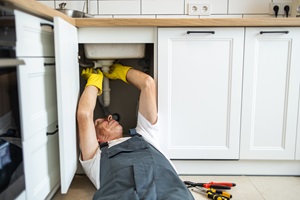
Faucets and toilets are two of the most used fixtures in your home, and while they are essential for everyday life, they can also be prone to wear and tear over time. Regular maintenance of these fixtures can prevent costly repairs, save water, and reduce your utility bills. In this blog post, we’ll share simple faucet and toilet maintenance tips to keep them working efficiently, extend their lifespan, and help you save money.
1. Fix Leaky Faucets to Save Water and Money
A dripping faucet may seem like a minor issue, but it can waste a significant amount of water over time, leading to higher water bills. Even a slow drip can waste up to 3,000 gallons of water annually. Fixing a leaky faucet is one of the easiest and most cost-effective plumbing repairs you can make.
- Tip: To fix a leaky faucet, start by turning off the water supply to the faucet. Then, remove the handle and inspect the washer or O-ring for wear. Replacing these parts should stop the leak and restore the faucet’s function.
- Pro Tip: Use high-quality replacement parts designed for your faucet model to ensure a longer-lasting repair. If you’re unsure, consult a plumber to help you identify the right parts.
2. Clean Faucet Aerators Regularly
Over time, mineral buildup from hard water can clog the aerator in your faucet, reducing water flow and pressure. Cleaning the aerator regularly can improve water flow and prevent the need for costly repairs.
- Tip: To clean your faucet aerator, unscrew it from the faucet, soak it in vinegar for about an hour to dissolve mineral deposits, and scrub it with an old toothbrush. Reattach the aerator once it’s clean, and check for improved water pressure.
- Pro Tip: Cleaning your faucet aerators once every few months will ensure that your water pressure remains strong and your faucets continue to operate efficiently.
3. Replace Worn-Out Faucet Parts
Worn-out washers, O-rings, and seals in faucets can cause leaks or poor water pressure. Over time, these parts degrade and can cause water to escape or make the faucet difficult to turn on and off.
- Tip: Regularly inspect the washers, O-rings, and seals on your faucets for wear and replace them as needed. This will not only prevent leaks but also ensure that your faucets operate smoothly.
- Pro Tip: If you notice that your faucet is still leaking after replacing the parts, the issue may be with the valve seat or cartridge. In this case, you might need to consult a professional plumber for further assistance.
4. Adjust the Toilet Flapper to Save Water
A running toilet is another common issue that can waste a significant amount of water and increase your water bill. The most likely cause of a running toilet is a worn-out or misaligned flapper. The flapper is responsible for sealing the tank and ensuring that water doesn’t constantly flow into the bowl.
- Tip: If your toilet is running, start by checking the flapper. If it’s worn, cracked, or misaligned, replace it with a new one. You can find replacement flappers at most hardware stores. Additionally, make sure the chain connected to the flapper isn’t too tight or too loose, as this can also cause the toilet to run.
- Pro Tip: Adjusting the float arm or float ball in your toilet tank can also help control the water level, preventing it from rising too high and causing the toilet to run.
5. Regularly Check the Toilet Tank for Leaks
Toilets can also suffer from slow, unnoticed leaks that can waste a significant amount of water. One way to check for hidden leaks is to add a few drops of food coloring to the toilet tank. If the color appears in the bowl after 30 minutes, you have a leak.
- Tip: If you detect a leak, it could be due to a faulty flapper, a worn-out flush valve, or a cracked tank. Replacing these parts promptly can prevent wasted water and higher bills.
- Pro Tip: Even if you don’t notice any immediate problems, it’s a good idea to replace your toilet’s internal components every 5-7 years to keep everything running smoothly.
6. Maintain Toilet Bowl Cleanliness
Keeping your toilet bowl clean isn’t just about aesthetics; it’s also important for maintaining proper water flow and preventing mineral buildup. Mineral deposits, bacteria, and mold can accumulate in your toilet bowl over time, leading to unpleasant odors and stains.
- Tip: Use a toilet brush and a non-abrasive cleaner to scrub the sides of the bowl regularly. For tough stains or mineral buildup, use a mixture of vinegar and baking soda or a commercial cleaner designed for toilets.
- Pro Tip: Keep the toilet lid closed when not in use to prevent dust and debris from settling in the bowl.
7. Schedule Regular Plumbing Inspections
Even with regular maintenance, it’s a good idea to schedule periodic plumbing inspections with a professional plumber. A plumber can identify issues that may not be immediately visible and ensure that your faucets and toilets are functioning at their best.
- Tip: During an inspection, a plumber can check for potential leaks, evaluate water pressure, inspect the integrity of your pipes, and clean out any potential clogs or buildup. This proactive approach can help you avoid more costly repairs down the line.
- Pro Tip: Annual plumbing inspections can help you maintain the health of your plumbing system and ensure that everything is in good working order.
Simple Maintenance Can Save You Money
By taking a proactive approach to faucet and toilet maintenance, you can avoid costly repairs, reduce your water consumption, and keep your plumbing system in top shape. Regularly replacing worn parts, cleaning aerators, fixing leaks, and scheduling routine inspections will save you money on your water bill and prevent unexpected plumbing issues. With a little care and attention, your faucets and toilets will work smoothly and efficiently for years to come.
Contact Us for Plumbing Maintenance Services
If you need assistance with faucet or toilet repairs, or if you’d like to schedule a plumbing inspection, contact 1st Choice Plumbing, Flood & Restoration at 866-437-0205. Our experienced plumbers are here to help keep your plumbing system in optimal condition.