

Understanding Your Home’s Water Usage: Tips for Monitoring and Reducing Consumption
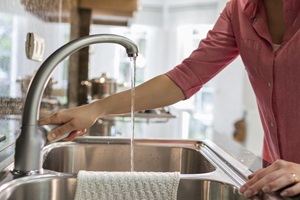
Water is a valuable resource, and with rising utility costs and environmental concerns, it’s important to be conscious of how much water you’re using at home. By understanding your home’s water consumption and taking simple steps to reduce it, you can save money and help preserve this precious resource. In this blog post, we’ll explore how to monitor your water usage, identify areas for improvement, and make small changes that can have a big impact on your water bills and the environment.
1. Install a Smart Water Meter
One of the most effective ways to track your home’s water usage is by installing a smart water meter. Unlike traditional meters, smart meters can send real-time data to your smartphone or computer, giving you detailed insights into your water consumption.
Tip: By using smart water meters, you can monitor water usage patterns and spot any anomalies, like a spike in water consumption, which could indicate a hidden leak.
2. Check for Leaks Regularly
Leaking pipes, faucets, and toilets can waste a significant amount of water, sometimes without you even realizing it. A slow drip from a faucet may not seem like much, but over time, it adds up.
Tip: Perform regular checks of your plumbing fixtures, looking for drips, damp spots, or water stains. If you spot any leaks, fix them immediately to prevent water waste.
3. Upgrade to Water-Efficient Fixtures
Upgrading to water-efficient fixtures is a great way to reduce water consumption without sacrificing performance. Low-flow toilets, showerheads, and faucets can help you conserve water without compromising your daily activities.
Tip: Consider installing WaterSense-certified fixtures. These meet EPA standards for water efficiency, ensuring you get optimal performance while using less water.
4. Reduce Water Use in the Kitchen
The kitchen is one of the places where water is used the most, from washing dishes to cooking. Here are a few simple tips to reduce water consumption in the kitchen:
Tip: Use a dishwasher instead of handwashing dishes, as dishwashers use less water. Additionally, only run the dishwasher with a full load.
Tip: Avoid leaving the tap running while washing dishes, and use a basin of water to rinse dishes instead.
5. Monitor Your Water Heater Settings
Your water heater can account for a large portion of your home’s energy and water consumption. Setting your water heater to an optimal temperature can help you conserve both energy and water.
Tip: Set your water heater to 120°F for hot water that’s comfortable without overheating and wasting energy.
Save Water, Save Money
Understanding your home’s water usage is the first step in making it more efficient. By installing smart water meters, fixing leaks, and upgrading to water-efficient fixtures, you can reduce your water consumption, save on utility bills, and contribute to a more sustainable future.
Contact Us for Plumbing Services
If you need assistance with water conservation, contact 1st Choice Plumbing, Flood & Restoration at 866-437-0205. Our team can help you make your plumbing more efficient and cost-effective.