

The Plumbing Checklist You Need for Cold Weather: 10 Tips
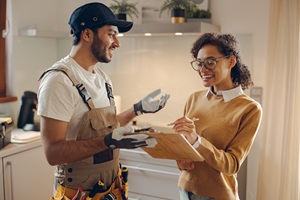
As the temperature drops and winter settles in, it’s essential to prepare your plumbing system for the harsh weather. Freezing pipes clogged drains, and other plumbing issues can cause significant damage to your home during the colder months. By taking some simple preventive measures, you can ensure that your plumbing system stays in excellent shape throughout the winter season. Here’s a winter plumbing checklist to help you get your home ready for the cold weather.
1. Insulate Exposed Pipes
One of the most important tasks in preparing your plumbing for winter is insulating any exposed pipes. Pipes located in unheated areas, such as attics, basements, and crawl spaces, are vulnerable to freezing when temperatures drop. When water in these pipes freezes, it can cause them to burst, resulting in costly repairs and extensive water damage.
Tip: Use foam pipe insulation or heat tape to wrap pipes in these vulnerable areas. You can also consider adding insulation to walls that house exposed pipes.
2. Seal Gaps Around Pipes
Another crucial step in preventing frozen pipes is to seal any gaps or cracks around your plumbing. Cold air can seep into your home through these openings, making it easier for pipes to freeze.
Tip: Check around windows, doors, and where pipes enter the home from the outside. Use caulk or spray foam insulation to seal these gaps and keep the cold air out.
3. Disconnect and Drain Outdoor Hoses
Outdoor faucets and hoses are some of the most common plumbing issues during winter. When water is left in hoses or faucets, it can freeze, leading to cracked pipes and serious damage.
Tip: Disconnect all garden hoses from the outdoor faucets. Drain the hoses and store them in a warm area for the winter. For outdoor faucets, turn off the water supply them from the inside and open the faucet to allow any remaining water to drain.
4. Check Your Water Heater
Winter is the time when your water heater works hardest to keep you warm and comfortable. Cold weather can affect its efficiency, so it’s important to make sure it’s running efficiently and effectively.
Tip: Inspect your water heater for leaks, rust, or other issues. Check the thermostat setting and set it between 120-140 degrees Fahrenheit for optimal efficiency. Flushing the tank once a year can also help remove sediment build-up that can reduce heating efficiency.
5. Insulate Your Water Heater and Pipes
Along with the pipes in unheated areas, your water heater and hot water pipes should also be insulated. This helps prevent heat loss and can keep your water heater from working overtime, reducing your energy bill and extending its lifespan.
Tip: Use a water heater insulation blanket and pipe insulation to prevent heat loss and to keep hot water at a consistent temperature.
6. Maintain Your Sump Pump
If your home has a sump pump, it’s crucial to check it before winter arrives. A malfunctioning sump pump can cause flooding during winter storms or heavy rainfall. To keep it in good working condition:
Tip: Test the sump pump by pouring water into the sump pit. Ensure that it activates and pumps the water out properly. Clean the pump and check that the discharge pipe directs water away from your home’s foundation.
7. Keep the Garage Doors Closed
If you have plumbing pipes running along the exterior walls of your garage, make sure to keep the garage doors closed when temperatures dip. Cold air can freeze pipes in the garage, which may lead to bursts or damage.
Tip: If your garage has exposed pipes, consider adding insulation around the walls or using a space heater to keep the temperature above freezing.
8. Monitor Indoor Temperature
Sometimes, homeowners focus too much on outdoor plumbing and forget that indoor temperatures play a key role in protecting plumbing during the winter months. Consistently low indoor temperatures can also lead to frozen pipes.
Tip: Keep your thermostat set at a consistent temperature, even when you’re away from home. Avoid letting the temperature drop below 55°F, especially at night, to reduce the risk of frozen pipes.
9. Know Where Your Water Shut-Off Valve Is
In case of an emergency, knowing where your main water shut-off valve is located is essential. If a pipe bursts due to freezing, you’ll need to shut off the water supply to prevent further flooding and water damage.
Tip: Locate your main shut-off valve and make sure everyone in your household knows where it is and how to turn it off.
10. Schedule a Professional Plumbing Inspection
While DIY plumbing maintenance is important, nothing beats a professional plumbing inspection before the winter season. A licensed plumber can help identify potential issues and ensure your plumbing system is ready to handle the cold weather.
Tip: Schedule an inspection with 1st Choice Plumbing, Flood & Restoration to thoroughly check your pipes, water heater, and fixtures. A professional plumber can provide valuable recommendations and address any plumbing issues before they become costly repairs.
Protect Your Home with Preventive Plumbing Maintenance
Winter weather can put a strain on your plumbing system, but with the right preparation, you can avoid common problems like frozen pipes and water damage. By following these tips, you’ll ensure your home stays safe, dry, and efficient throughout the colder months.
Contact Us Today
For expert plumbing maintenance and winter-proofing tips, contact 1st Choice Plumbing, Flood & Restoration at 866-437-0205. Our team is here to help you protect your plumbing system and ensure your home is ready for the winter season.